
How to decorate your kitchen in style
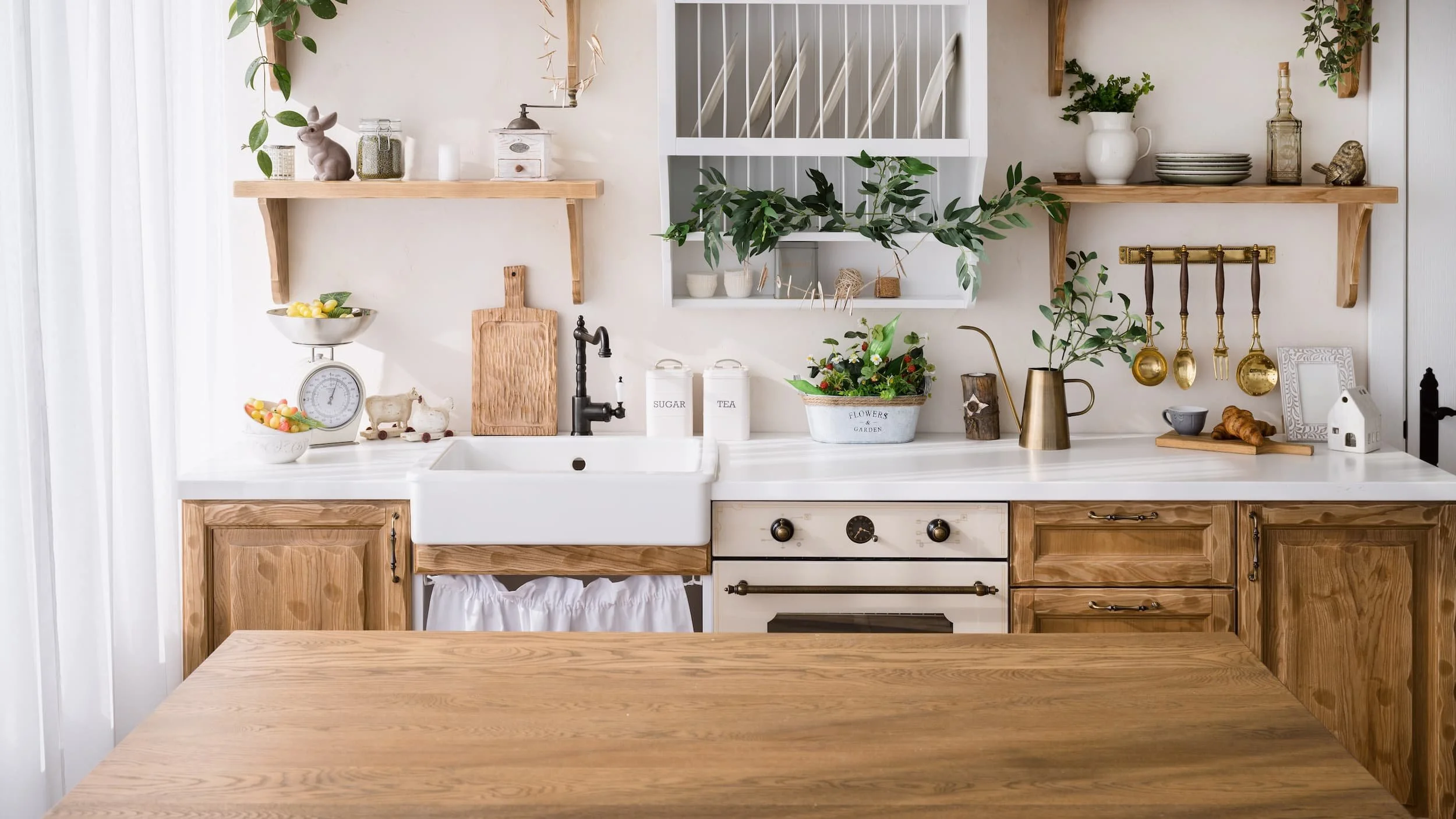
The kitchen is one of the hardest-working rooms in the home, but it can present a challenge when it comes to décor. Because it has such a focus on practicality, it’s not always easy to see how you can style the room to suit your tastes.
Another consideration is that kitchens generally provide different conditions than most rooms – they can be humid, with heat and steam playing a part in cooking and laundry, which can impact which materials are best suited to the room.
If you’ve been struggling to decide how you’ll style your kitchen – whether you’re planning a renovation or simply looking to refresh the space – we’ve got plenty of tips and tricks to make the choice easier.
Keep reading to discover some of the key things to think about when styling your kitchen.
Kitchen décor styles
Focusing on details like materials and colour choices in isolation can be mind-boggling – and it’s not always the best way to do things. Instead, it’s a good idea to choose a theme or style so you can aim for a cohesive look across the room as a whole.
For example:
A charming, rustic, farmhouse style – reminiscent of rural simplicity and homegrown culinary goodness
A sleek, shiny modern style – characterised by clean lines, neutral colours and metallic fittings
A light, airy coastal style – full of pale blues, shell-like imagery and plenty of natural light
A vibrant, retro style – featuring block colours, curved corners and statement appliances.
Choosing an overall theme such as this helps to make every decision easier, because you already have a general idea of what you’re aiming for. You don’t need to reinvent the wheel – so you can spend more time ensuring your kitchen works for you practically.
Different types of kitchen décor
Kitchen décor doesn’t have to be limited to knick-knacks and ornaments that take up space and hold no purpose. If you’re finding it hard to decorate your kitchen to your tastes, consider going beyond trinkets to think about less obvious forms of décor.
That could mean:
Walls – whether you’re hanging wall art that doesn’t take up precious countertop space or using paint, wallpaper and tiling to introduce character, vertical décor is a crucial consideration for the kitchen.
Lighting – though many think of kitchen lighting as a purely practical choice, it’s worth thinking about how it can contribute to the overall look and feel of the room.
Practical accessories – just because something has a function, doesn't mean it can’t also be pretty. When picking out items like placemats, crockery, tablecloths, chopping boards, fruit bowls and tea towels, don’t forget to take aesthetics into account.
Soft furnishings – items like blinds, seat cushions and rugs can all add splashes of colour or patterns to the room without being overpowering.
When you’re trying to maximise cooking and food preparation space, it pays to be creative with the types of décor you choose.
Decorating for different kitchen layouts
Naturally, decorating a small, tightly packed kitchen presents a different challenge to decorating one with more space than you know what to do with. Decorating compact kitchens often means maximising surface space, while larger kitchens can benefit from visually breaking up the space into different areas.
But shape and design can also have a big impact. L-shaped options, open plan designs and irregular rooms can all affect the best way to decorate the area – and if you’ve recently switched to a different layout, you probably aren’t used to decorating it.
This is where expert support can really come in handy. Because we’ve helped lots of people design their dream kitchens, we’ve seen all different styles and layouts – so we can suggest tips and tricks best suited to your kitchen based on our wealth of experience.
Decorating for different occasions
If you prefer an ever-changing style that involves decorating for different festivities, events or even the seasons, getting a simple, neutral foundation right is vital.
Since your décor will be changing around a core design, it’s a good idea to plan areas that can hold decorations and ornaments without interfering with the functionality of the room – especially if you’ll be cooking a big meal such as Christmas dinner. That could mean:
Walls and vertical space – options include hooks on cabinets for hanging seasonal wreaths or bunting, open shelving to display ornaments and light fixtures designed to support lightweight décor such as ribbons, tinsel or fairy lights.
Unused horizontal space – think the tops of appliances, window sills and small ledges that can’t be used for traditional storage. If you’ve got a seasonal centrepiece but no table space, it might look just as good atop your fridge instead.
Smaller decorative items – choose ornaments with location in mind, such as smaller trinkets that can sit in the space in front of cookbooks on a shelf, for example.
Remember, less is more when it comes to seasonal decorations – and switching out a few functional favourites such as soap dispensers, hand towels or glassware can do more than you think.
Ultimately, stylish kitchen décor is about balance. By considering your preferred aesthetic, the architecture of the room and the way you use it, you can create a kitchen that looks beautiful and works effortlessly.
Planning a more substantial transformation? A bespoke kitchen design can bring each of these elements together in a more intentional way, ensuring the very foundations of your kitchen are built with style in mind.