
Decorating a small kitchen: Tips and inspiration
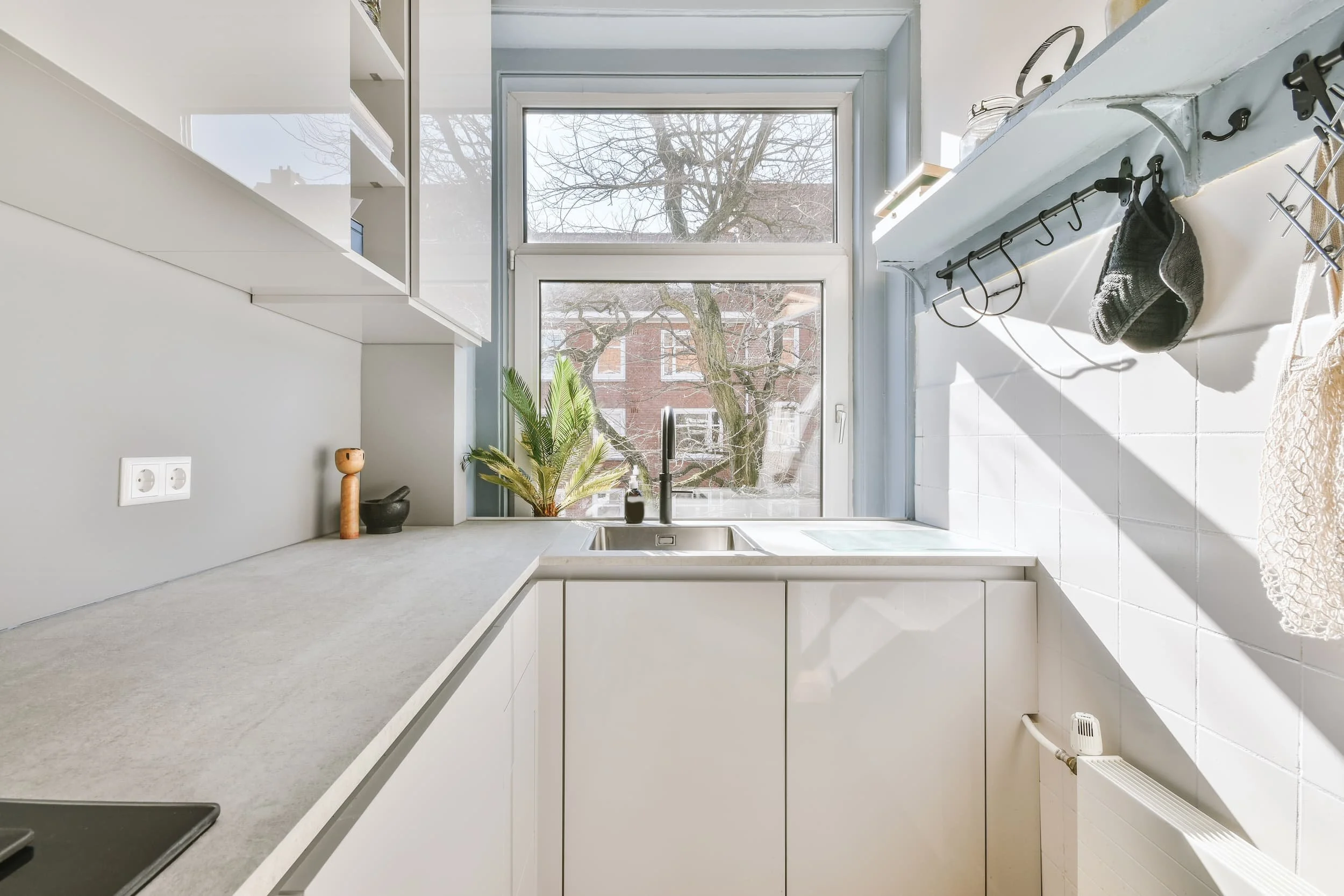
A small kitchen can be full of character. Whether you have a narrow galley, a compact kitchen diner or a cosy corner in an open-plan home, thoughtful decorating can make the space feel welcoming and easier to use.
Below, we explore some top considerations for kitchen decorating in smaller spaces.
Decorating ideas for a small kitchen
When your kitchen doesn’t have a lot of room to start with, it can be easy to over-decorate it and leave the space feeling cluttered and busy – not to mention making it hard to use it for its actual purpose.
In small kitchens, less really is more. A few carefully chosen details can bring warmth and personality to your kitchen without overwhelming it.
From refreshing your walls to making everyday essentials part of the décor, these ideas will help you create a small kitchen that feels beautifully considered.
Painting
Paint is a straightforward way to transform a small kitchen – both on the walls and on other features like cabinets and furniture.
Generally speaking, lighter colours work best in small rooms, helping to visually open up the space and make it appear larger, especially if your kitchen doesn’t get much natural light. If it does, though, darker shades can add visual depth to the space to have a similar effect.
To avoid an overly busy look, stick to one or two colours, and opt for a complementary scheme rather than a contrasting one. Creating visual harmony helps the eye to glide from one aspect to the next more smoothly.
Important! Painting cupboards? Remember to check the surface material and prepare it properly. Use a suitable primer and paint designed for cabinetry, following the manufacturer’s instructions for a durable finish.
Light sources
Lighting deserves just as much attention as colour.
Start by making the most of your windows: keep windowsills lightly decorated and choose a simple blind where privacy or shade is needed. Again, colours should complement the paint scheme as much as possible.
Then consider which types of lighting you need:
Ceiling lights for general illumination
Under-cabinet lighting for spotlighting food preparation areas
Wall lights to brighten dining or seating areas.
For a welcoming evening atmosphere, consider dimmable lighting where compatible. Separate controls for different lights also let you adjust the mood as you move from cooking to dining.
Top tip! Try to keep the colour of your lighting consistent across the room. A mixture of very cool and very warm bulbs can make your decorating scheme feel less cohesive.
Clear surfaces
Worktops play a big part in how a small kitchen looks and feels. When every surface holds appliances, jars and accessories, even a carefully decorated room can seem busy.
Instead, leave a generous, uninterrupted area for preparing food. If storage is making this difficult, explore our guide on ways to create more storage in a small kitchen.
Start with the items you use daily. Keep these accessible, then find cupboard space for equipment you only need occasionally, organised according to how and when you use them.
Once you have some breathing space, choose a handful of functional pieces. A favourite ceramic utensil pot, a wooden chopping board or a bowl of seasonal fruit can introduce colour and texture while still keeping your workspace streamlined and practical.
Wall décor
In keeping with the idea of keeping worktops clear, walls offer an excellent alternative for ornamentation. A framed print, decorative clock or small collection of ceramics can give a compact kitchen an individual feel.
Open shelving can combine decoration with useful storage. Display attractive everyday crockery alongside one or two accessories, leaving gaps between groups. Avoid filling every shelf simply because the space is there, as this can make the space feel more cramped.
Tiles are another way to introduce character. A splashback in a favourite colour or subtle pattern can become the centrepiece of your scheme. Consider how the tile size, layout and grout colour will work together.
Top tip! Choose pieces in proportion to the available wall space. One larger artwork can often create a calmer focal point than lots of small decorations scattered around the room, but leaving white space around your wall décor helps to avoid overcrowding.
With thoughtful placement, your finishing touches can help create a kitchen that is both personal and practical. For help bringing your ideas together – or planning a new kitchen from scratch – speak to Merilyn Phillips today.